
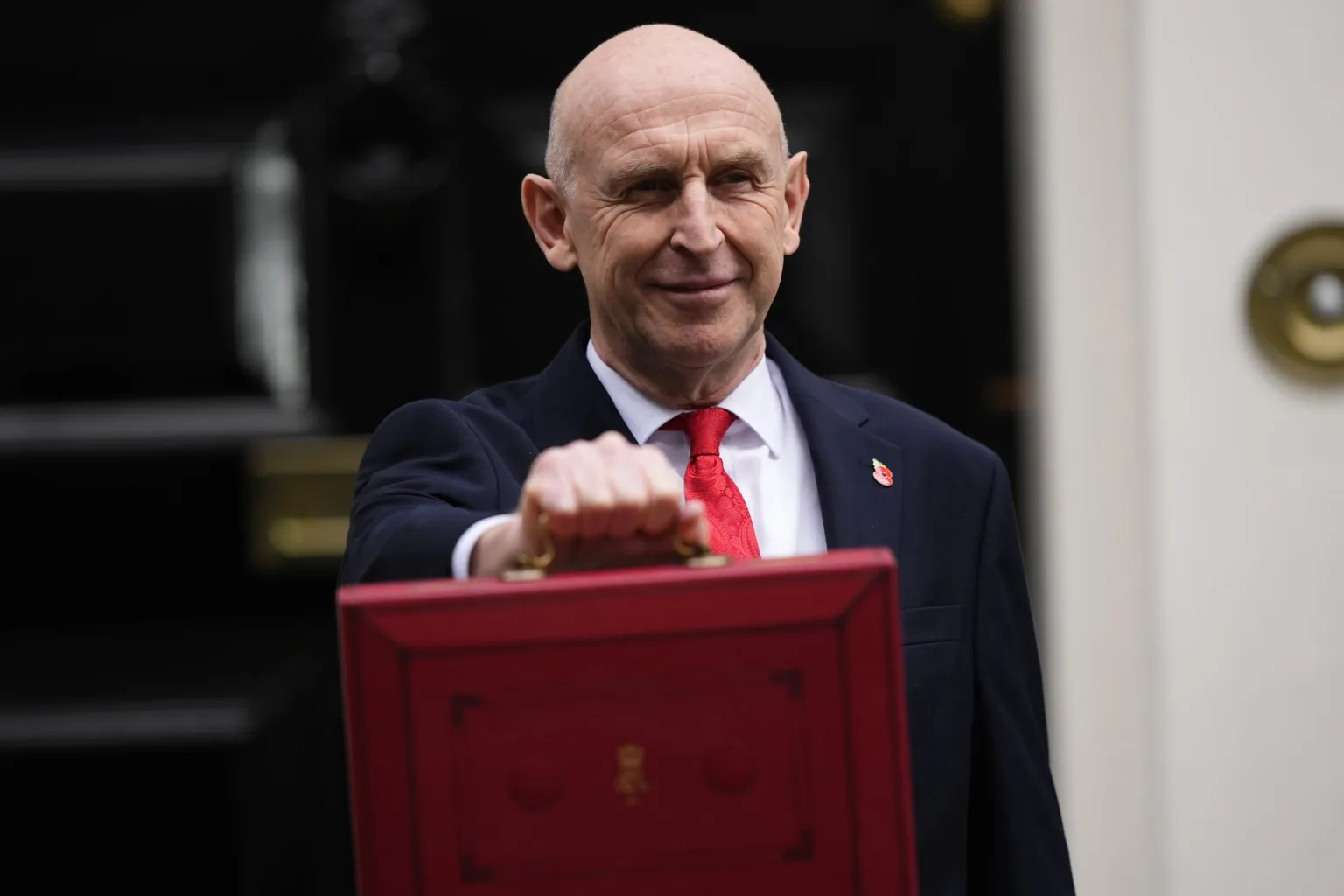
Chancellor John Healey delivered his first Budget today against a backdrop of rising inflation, high government borrowing costs, and household finances that are still feeling the squeeze from global events.
However, for landlords, there was little in it to change how you run your portfolio day to day (no surprise, given he had very little to play with).
But several announcements will shape the wider environment you operate in, helping to set the tone for mortgage rates, buy-to-let lending and what tenants can afford in the year ahead.
Property income tax rises again
The biggest announcement in the Autumn Budget was that the Chancellor would increase the rate of tax on income from property and savings by a further 2% from April 2027.
That’s in addition to the 2% increase that was announced by his predecessor and signed into law this year.
So instead of the current rates of 20%, 40% and 45% - rental profit will now be charged at 24%, 44% and 49% from April 2027.
Say you’re a higher-rate landlord with no mortgage who makes £20,000 of rental profit. You’d currently be paying around £8,000 in tax. From April next year that will be £8,800, an extra £800 a year. That’s double the £400 rise landlords were already braced for.
And if you’ve got a mortgage, it’s worse than it looks, since Section 24 means landlords who own property in their own name can no longer deduct mortgage interest from their profits - only claim a basic rate allowance. This means that as a higher rate payer, your true tax rate could already be even higher than the headline bands.
Limited companies, on the other hand, can. No doubt that will push even more landlords to explore investing through a company. It’s why more than three-quarters of new buy-to-lets are now bought this way.
What else changed
Rather than a series of flagship announcements, this Budget was more a flotilla of smaller changes.
None of them will capsize your portfolio on their own. But between them, they could nudge rental demand, what tenants can afford and what it costs to run a property.
So what do you need to be aware of?
Competition from first-time buyers:
Your First Home - The government had already announced its new scheme, and used today’s speech to announce £4.7 billion of government-backed lending to support it. They say it will help 70,000 people onto the property ladder and save first-time buyers hundreds of pounds a month.
For landlords, that could mean more competition for cheaper, entry-level homes, and some of your tenants deciding to buy instead of renting. But in reality, if it’s anything like its predecessor, it’s only going to affect a handful of transactions in the margins rather than delivering a wholesale change to the market.
First-Time Buyer ISA - A new ISA will give first-time buyers a simpler way to save for a deposit. Details are thin for now, but anything that speeds up deposit saving shortens the time some tenants spend renting. It may also boost demand, helping to breathe some life into the sluggish market, particularly for flats.
Lifetime ISA penalty cut - The withdrawal charge drops to 20% from today, so buyers purchasing above the £450,000 price cap won’t lose money by using their savings. This is most relevant in London and the South East, where first homes are more likely to cost more than that sum.
Social and affordable housing - A further £1.5 billion takes total investment over the next ten years above £40 billion, with the Prime Minister promising the biggest boost to council housebuilding since the post-war period. Homes take years to build, so don’t expect it to change rental demand any time soon.
Worth knowing:
Overnight Visitor Levy - Every Authority will soon get the power to charge one. So if you own a holiday let, it could add to the cost of a stay in areas that bring it in, so watch what your local mayor or council decides.
Warm Homes loans - A new loan scheme will help households spread the upfront cost of solar panels, batteries and heat pumps, which the government says could cut bills by up to £550 a year. The Budget describes it for households, so it isn’t yet clear whether landlords can use it to fund energy efficiency upgrades.
Cash ISA limit - The Chancellor reversed the previously announced cut to ISA limits so the £20,000 figure is staying for everyone.
Devolution - Describing it as “the biggest transfer of power and resources in a generation”, the Budget included plans to give every mayor a share of the income tax raised in their area from 2028, along with a share of business rates from 2027, and the aim of letting local and regional government keep all of it before the end of the decade.
For landlords, the interest here is in what mayors do with that money. More control over local tax could mean more say over transport, regeneration and housing, and those are the things that bring jobs and tenants to an area.